Veterinary Physical Rehabilitation in The Woodlands, TX.
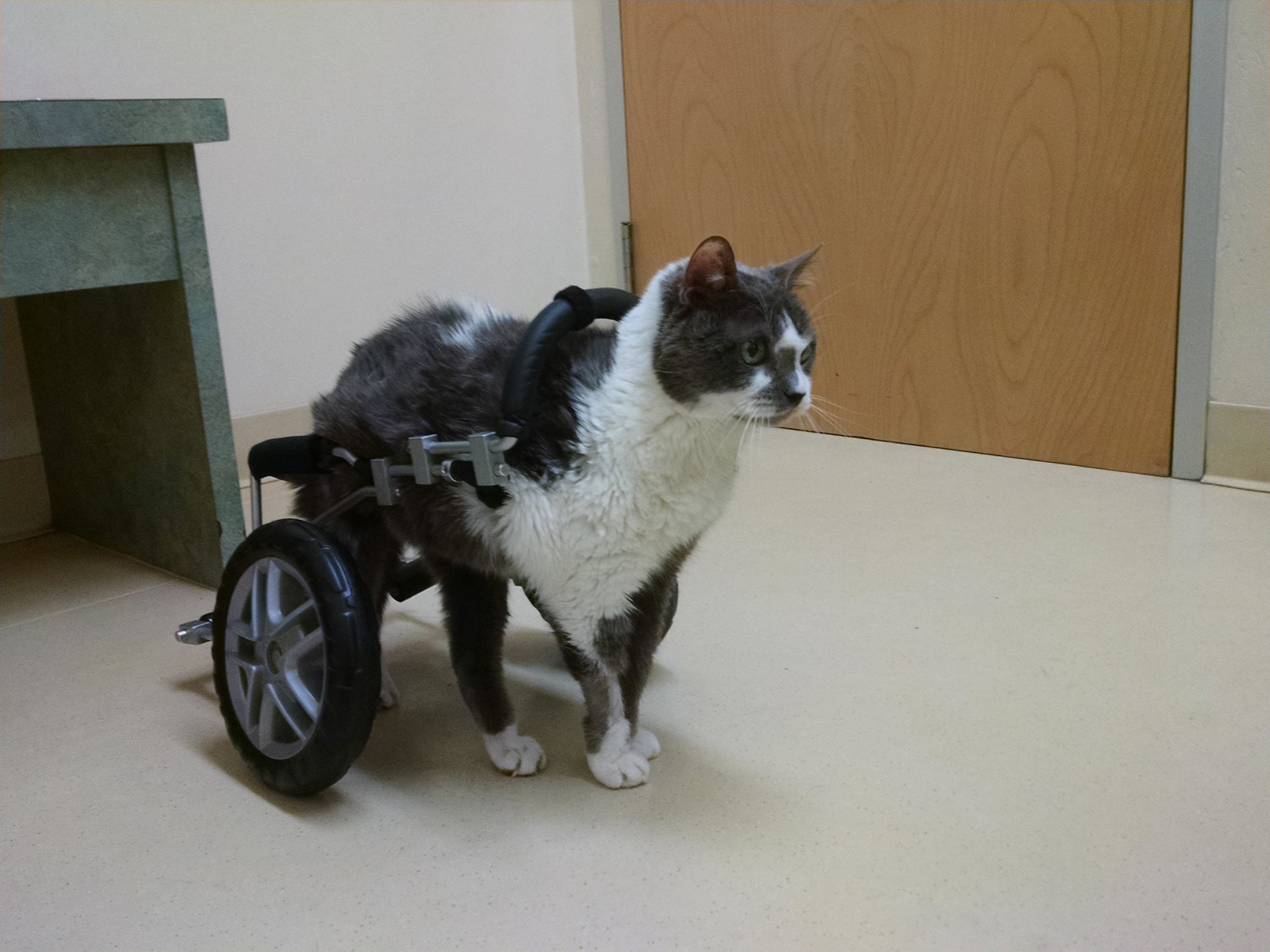
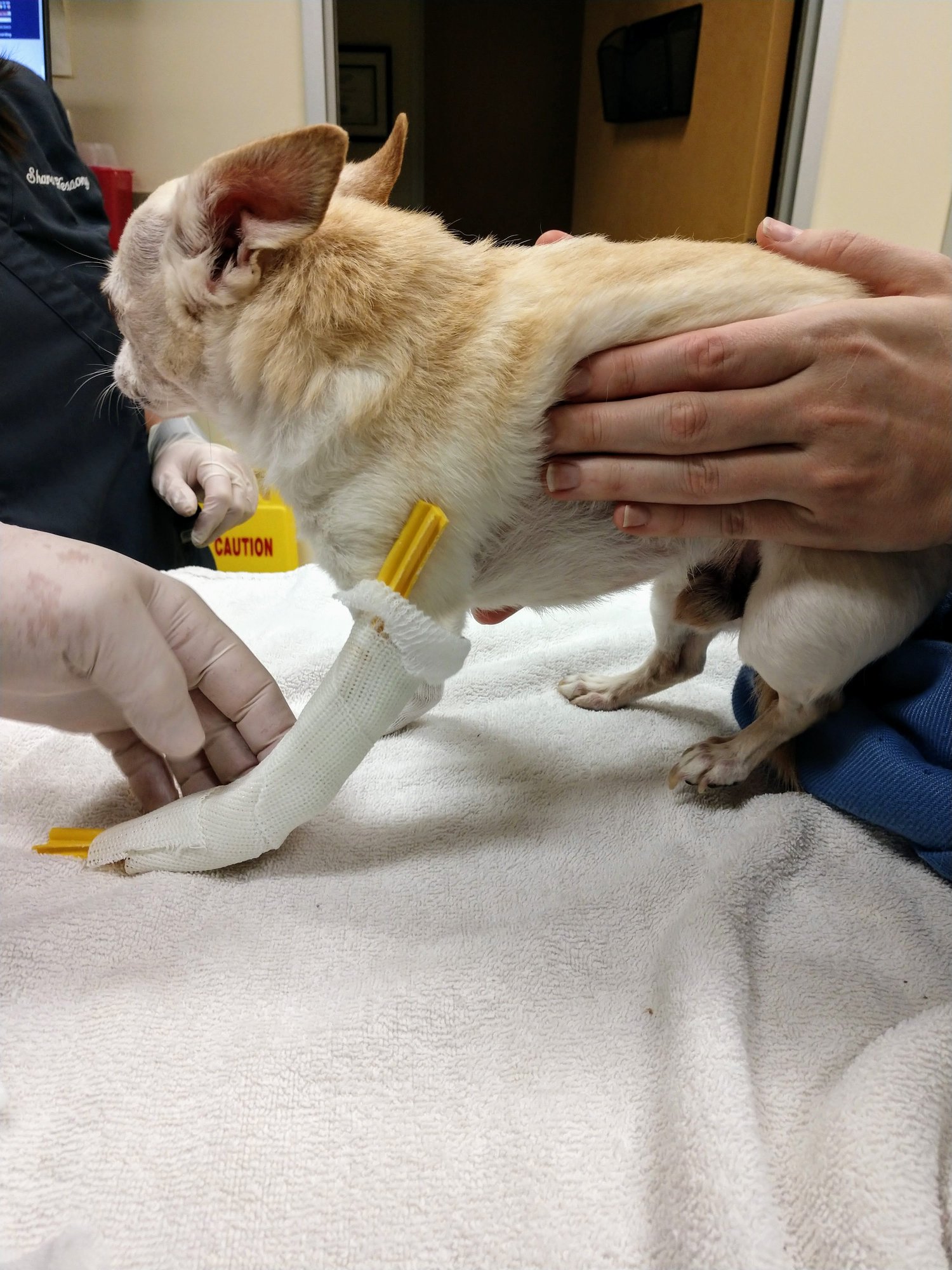
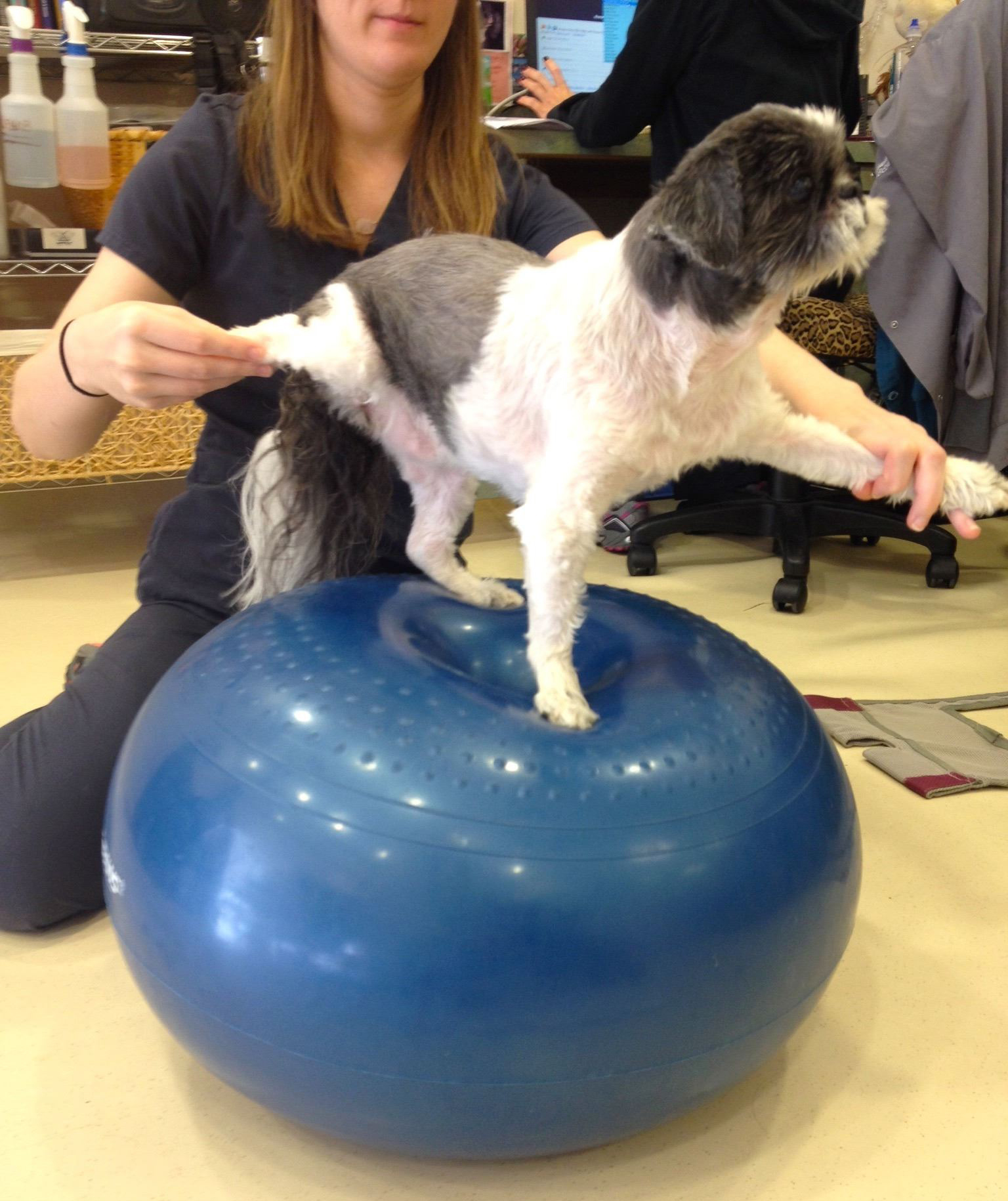
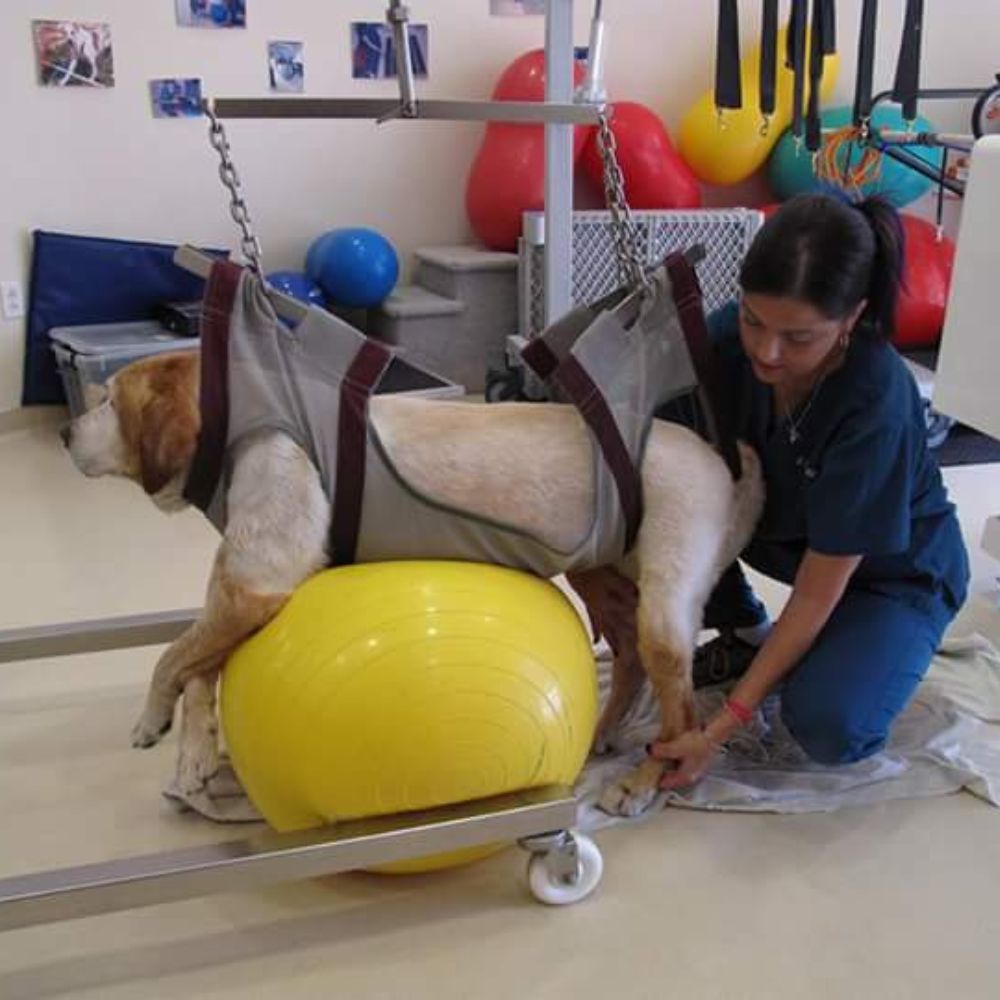
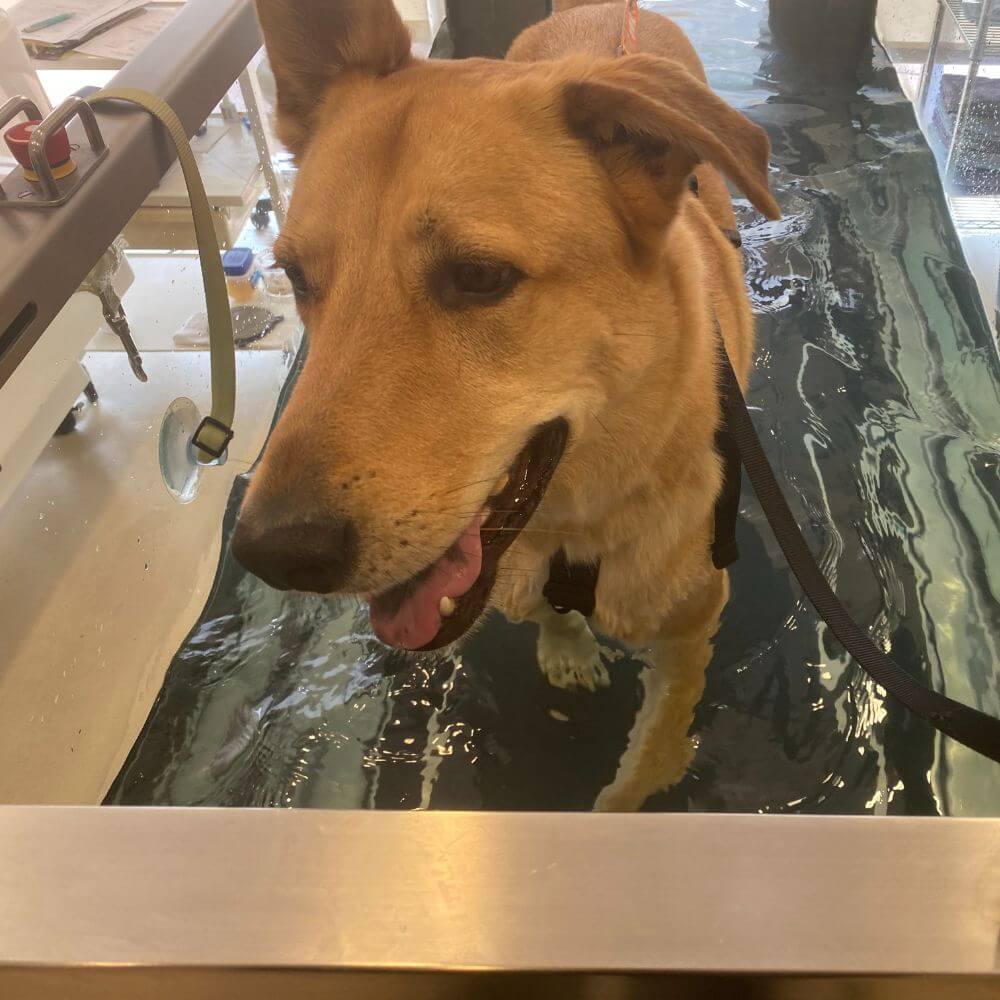
We will aggressively address your pet’s pain or disability with pharmaceutical therapies, physical medicine, and techniques in physical rehabilitation. We know that pain management coupled with effective physical rehabilitation offers your pet the best chance to regain his or her original mobility and function.
Welcome to
Center for Veterinary Pain Management and Rehabilitation
At the Center for Veterinary Pain Management and Rehabilitation, Dr. Rick Wall, Board Certified in Veterinary Sports Medicine and Rehabilitation, and our trained professionals use special pain examination techniques to localize and identify the pain. We create a unique multimodal or multifaceted plan of pain management and rehabilitation for your pet, utilizing tests to determine what causes the pain.

Refer a Patient
If you believe your patient would benefit from our services, please don’t hesitate to fill out our veterinary referral form!

Book a Consultation
Schedule an appointment to see one of our trained veterinary pain management & rehabilitation specialists.
Pain Management for Dogs & Cats in The Woodlands, TX
At the Center for Veterinary Pain Management and Rehabilitation we address all forms of pain, and in particular chronic pain. We treat pain with pharmaceutical management, using numerous combinations of medications, and physical medicine techniques, including myofascial trigger point therapy.
What a kind and friendly vet. The entire staff is friendly, engaging, and supportive. I think they love my animals as much as I do! The vet is great. I know my dogs will receive excellent care at this clinic.
Catherine J.

We utilize non-surgical methods to help improve our patient’s lives.
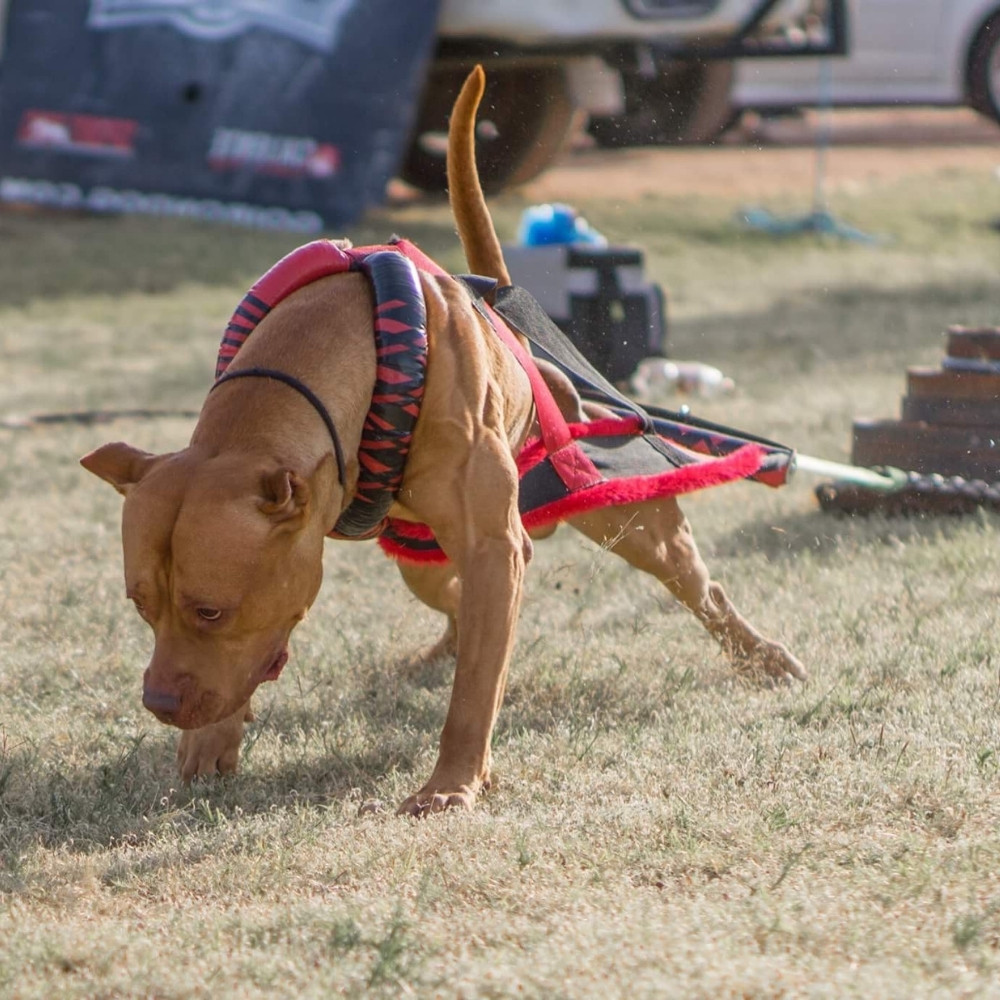
We believe in aggressive physical rehabilitation to restore full function. We feel that quality of life is just as important as the quantity of life. We recognize the unique human-animal bond between our clients and their pets and we always respect our clients’ concerns regarding their pets.